Programming clicked for me in my sophomore year of high school. A friend showed me how to create a loop in TI-BASIC, and right away I felt I could make my calculator do anything. I went home and stayed up until 2 a.m., hunched over my TI-84, building a ballistic target practice game inspired by Angry Birds. A few months later, I picked up Python so I could make a game in Blender. I wrote Python for years. I built overly ambitious games, overly ambitious UI toolkits, code to do my homework, code to scrape Wikipedia, to simulate natural selection, and to make art. I was obsessed. I already had a plan to study mechanical engineering and stuck with it because I assumed my programming obsession was just a phase. Halfway through college, I realized it wasn’t. I just wanted to build systems without the hassle of real-world constraints. So I picked up a computer science minor and finished my ME degree anyway.
In 2019, a portion of Jonathan Blow’s talk “Preventing the Collapse of Civilization” changed my perspective on software engineering. Our standards for software are incredibly low. We abide slow boot times, lag, and endless minor bugs. I knew it didn’t have to be this way. I was working as a mechanical engineer at the time, an established discipline with high standards for reliability. Cars start every time you go for a drive, and bridges don’t collapse, but every time I use a computer, something stumbles. Sure, it’s never life-threatening, but it brings that beautiful feeling of tool embodiment to a halt; one moment you’re dancing, the next your leg falls off. In short, it’s annoying.
I had already been playing with Rust for a year, but in light of that realization, its extreme pedantry became a godsend. Maybe it could save me from producing years of middling, software-grade software. Maybe I could produce mechanical-grade software.
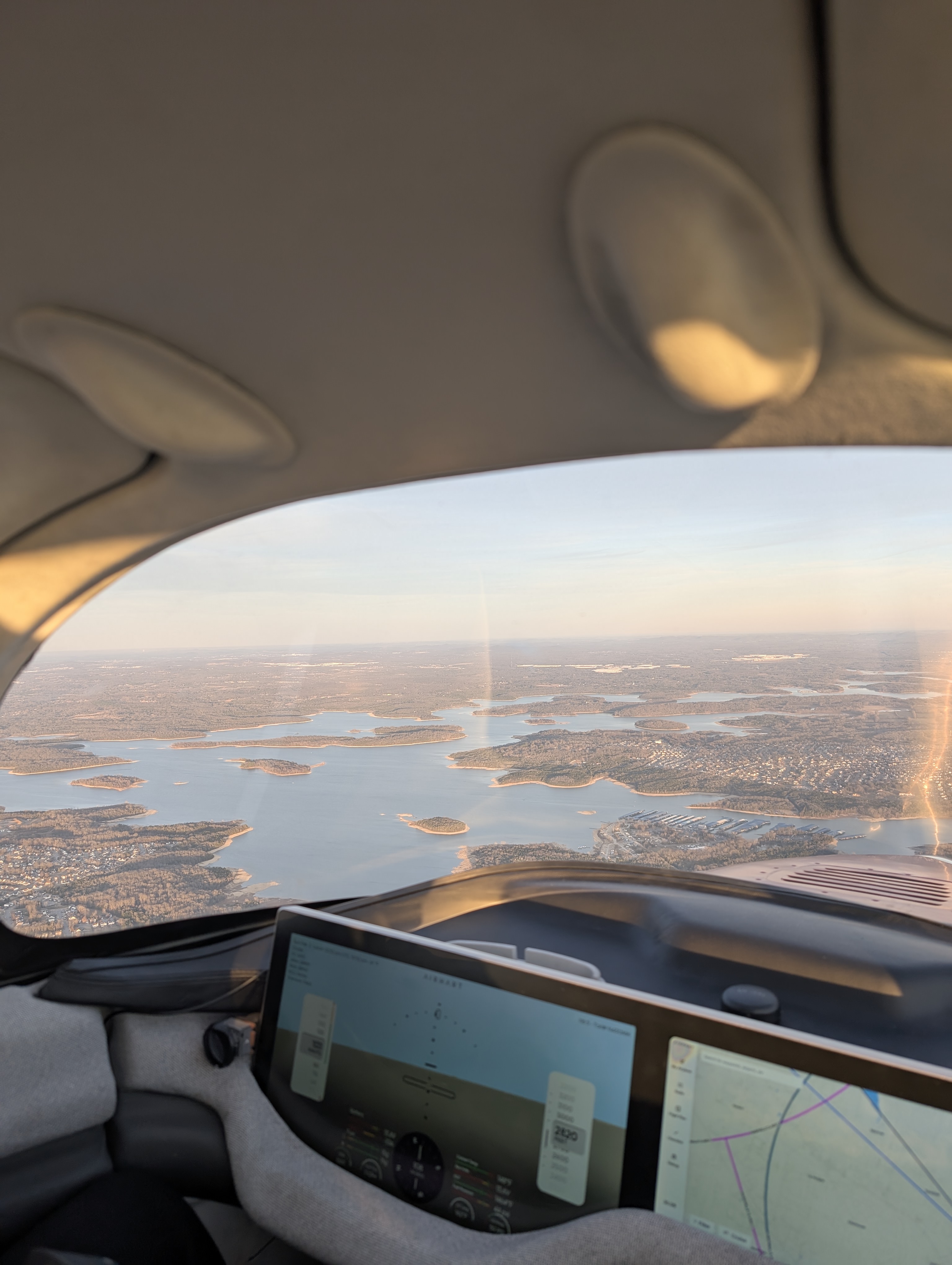
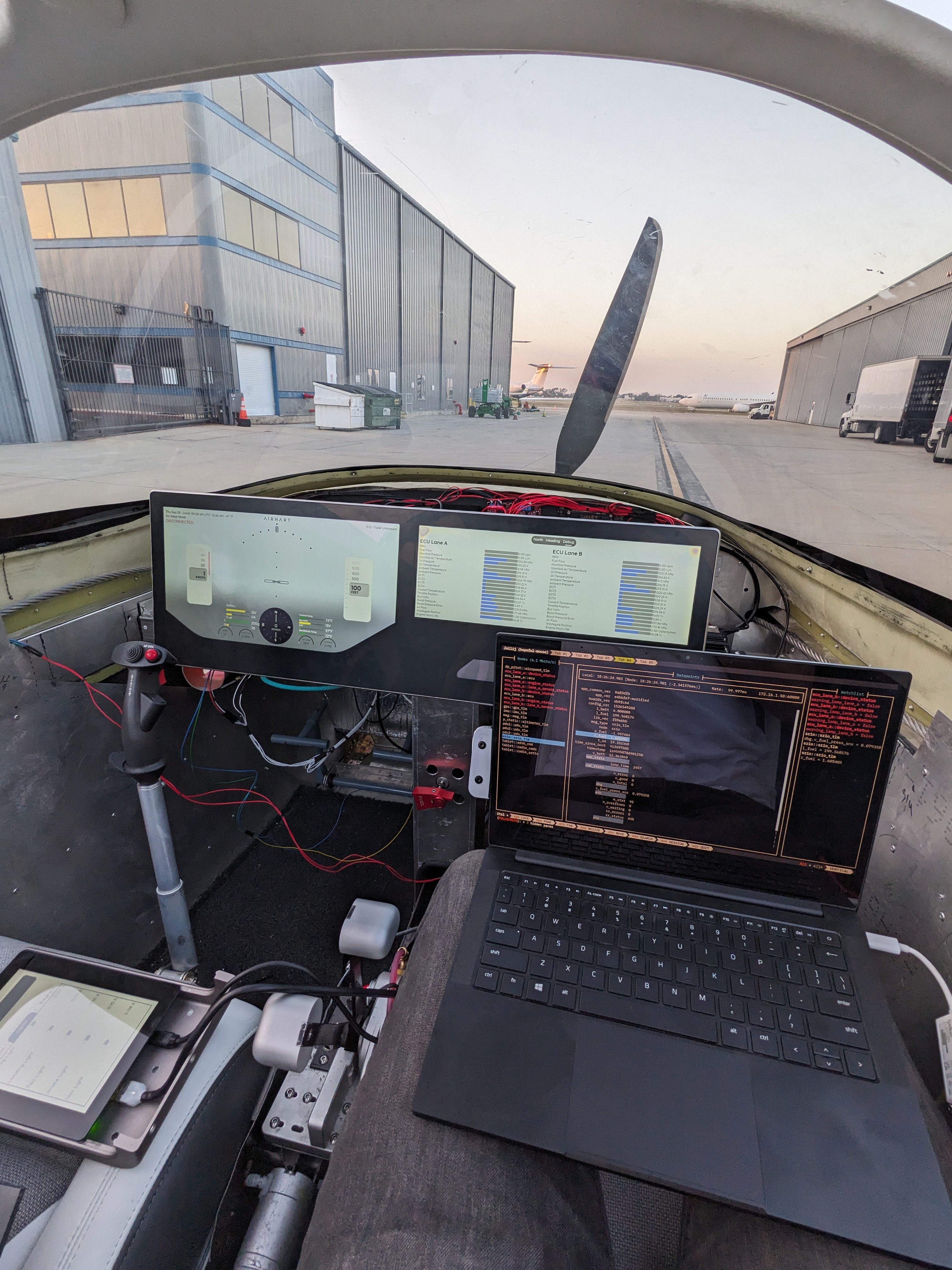
Working at Airhart has given me an opportunity to practice building high-reliability, low-latency systems. I’ve been lucky to have the freedom to experiment a lot, and it’s paid dividends in knowledge. I built most of our software stack in Rust — about a dozen embedded processes and tools. The language isn’t perfect, but I am writing mechanical-grade software. We haven’t had a single fault in the air. Tools boot instantly. Processes always behave. It feels like flying.